


About Russia
SADLY DUE TO CURRENT CIRCUMSTANCES WE ARE UNABLE TO BOOK FISHING TO RUSSIA. PLEASE CONTACT US FOR ANY OF YOUR OTHER FISHING REQUIREMENTS.
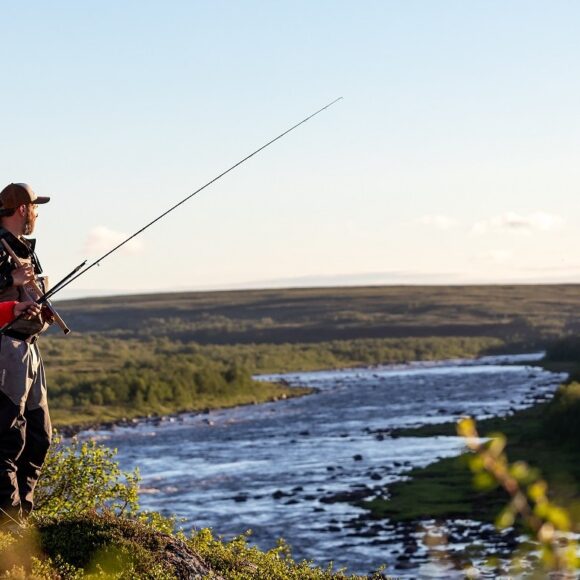
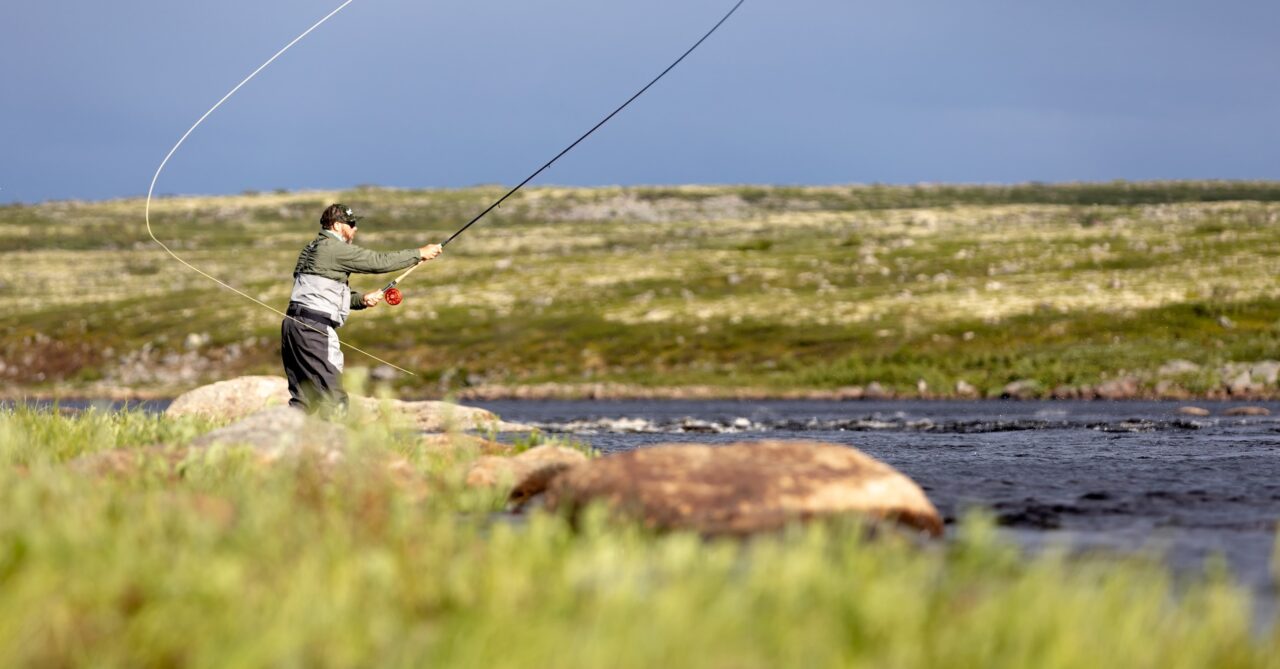
Russia’s Kola Peninsula is the last stronghold for Atlantic salmon fishing in the world. This purely natural resource, where there is no need for re-stocking and no desperate measures to save the future, is a wilderness where dreams can and regularly do come true on an astounding scale.
We have unrivalled access to a variety of water on the Kola Peninsula – The Varzuga produces an unbelievable number of fish, whilst on the Yokanga, the size of fish, rather than the number, is the main allure.
The Varzuga has been fished for food for centuries before and now we are very privileged to be allowed to use this great resource for our sport of salmon fishing. And what sport it is. Where else in the world is the ten-year average for the whole season over 36 fish per rod per week?
There are many different types of water and we now run fully equipped and comfortable camps spread throughout the system. The Middle and Lower Varzuga camps together with Kitza take full advantage of the early runs as salmon enter the system at the beginning of May. Pana starts fishing a few weeks later as the fish take longer to migrate to these upper beats.
The Yokanga, by comparison, is located on the north coast of the Kola Peninsula where the season does not begin until early June. The biggest fish tend to enter the Yokanga in the early weeks of the season and at this time every fifth fish can weigh over 20lbs. Fresh fish continue to run the Yokanga throughout the month of July and even into August.
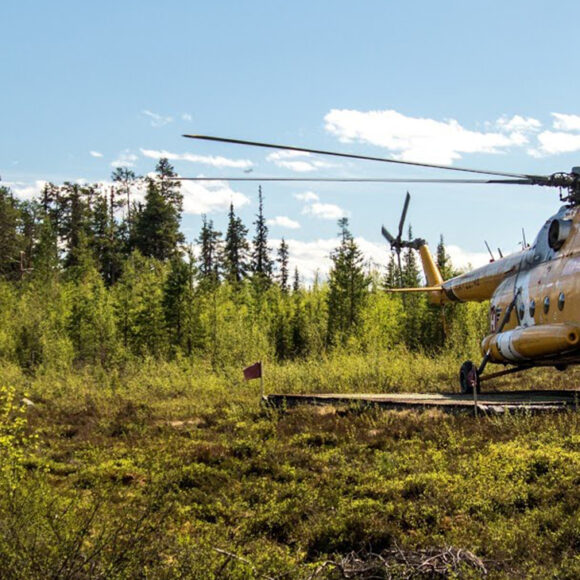
The Yokanga has an extremely comfortable wooden lodge situated close to the river and guests access their beats by both helicopter and jetboat. 20lbers get caught in every week on Yokanga and 30lbers are caught in most weeks. The Yokanga is one of the very best rivers anywhere in the world to catch a salmon of a lifetime.
Salmon fishing in Russia does not get better than this.
Just a quick note to say thank you very much for all your help – you have been so quick to respond, very helpful and considerate, patient when I have been slow and comprehensive in your advice about what to do and when to do it. In short, an absolute trooper and my holiday is already better for it… thank you!
An unparalleled experience – a time machine that turned an old grump into a seven year old overdosing on Sunny Delight. More please!