
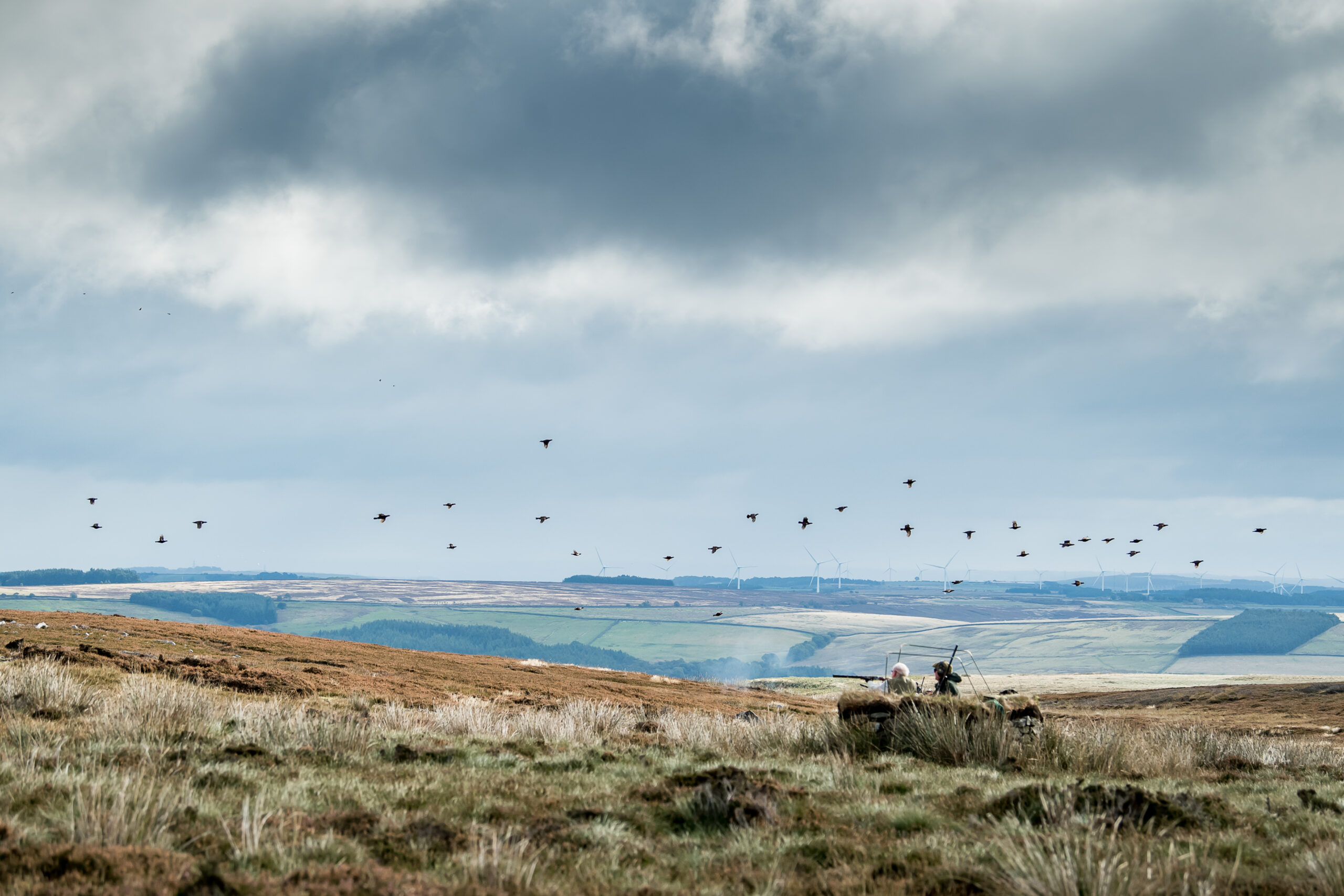
Since the disastrous year of 2024, the shooting community has been yearning for more favourable breeding and survival conditions for our most treasured game bird. Some of the superstitious ‘pundits’ will state that grouse populations ebb and flow in a 7-year cycle; if following this rule of thumb, we can confidently say that the disaster 2 years ago, represented the low point of the cycle. 2025 brought some hope with young stock being added to the pool. This year does in fact show further promise, evident from the Spring counts.
High Brood Success Rates
Survival rate is mainly dictated by weather conditions, this past winter was predominantly wet and mild – not a grouse keeper’s first choice. A cold winter tends to keep the parasitic Strongyle worm population at bay. However, miraculously this has seemingly not had an adverse effect of the breeding population coming into Spring.
The conditions are paramount when chicks hatch between April and May as harsh downpours and late cold snaps can be catastrophic. Spring this year in the North of England has been unusually hot, dry and sunny and ended being one warmest on record. This in general, looks to have provided high brood success rates and puts us in good stead going into the summer.
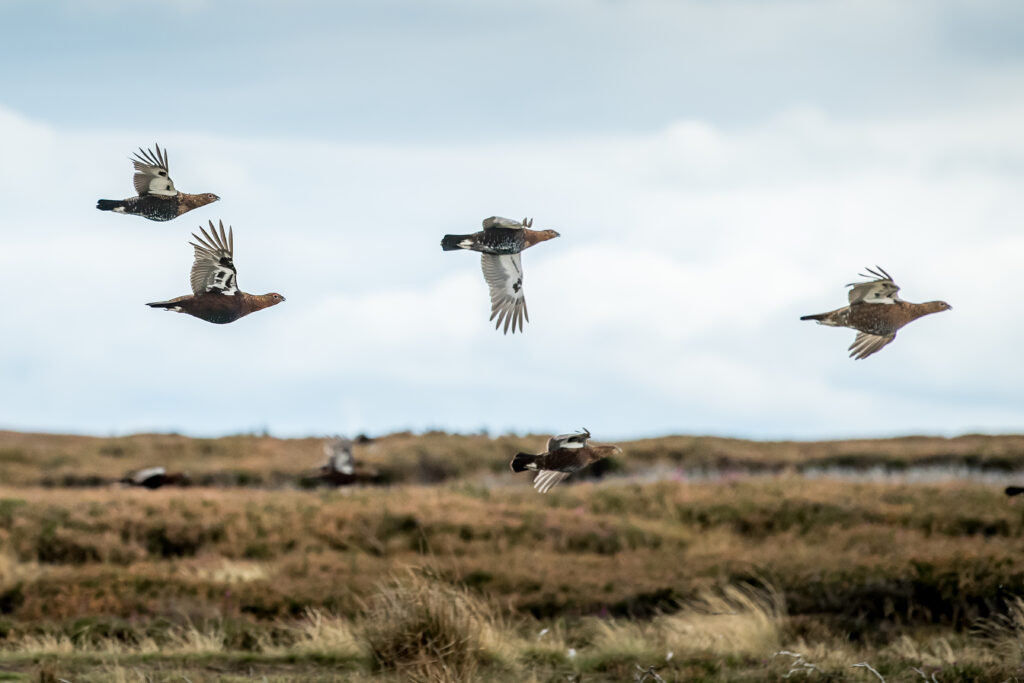
Heather Condition and Moorland Health
The condition of heather is vital as its new growth is the staple nutrition for our red grouse. April and May did begin to produce signs of moisture stress with peat beginning to dry out, thankfully June brought some welcome rain to prevent drought. The condition has improved and seems to be fair-to-good at present. Although we seem to be facing heatwaves more frequently of late, the North of England has in fact received circa 90% of its average rainfall.
Heather beetle hatches appeared to be fairly intense this year, and we all know the devastating effect these critters have on the moorland habitat. Thankfully, the wind may have dispersed the poor-flying beetle to lower ground in many locations and potentially saved much of the damage they were set to cause. Spring and early summer has felt blustery in Yorkshire. I can attest to this as many of the simulated clay days myself and the Roxtons team have been running, have required trap adjustment to combat high winds making the clays do strange things!
I am lucky enough to call the North York moors home, and I often also venture out into the Dales in for a spot of green laning in my bone-shaking old Land Rover. This regularly takes you across some remote grouse moors, and I must say the heather does certainly look healthy compared to a month or two ago and I am noticing bursts of grouse in greater frequency than the past few years. It seems that the squeaking and rattling of a 1972 ‘shed-on-wheels’ seems to be just as effective as the crack of a flag to get grouse moving!
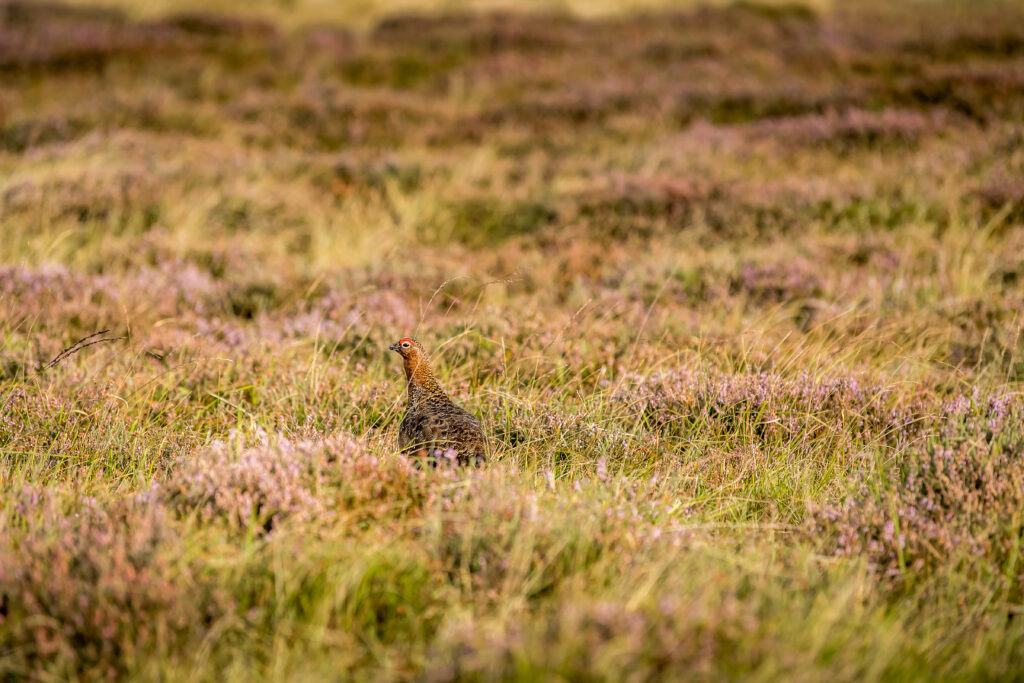
Looking Ahead to the Glorious Twelfth
I think in summary, the outlook for the glorious 12th contains quiet optimism. We hope that the spells of extreme heat to continue to be balanced with some rain. Hopefully our magnificent grouse is on path to a stock bounce-back to its former glory.
We still have a day or two available for this coming season and are already booking teams in for 2027 so please don’t hesitate to contact us.
Register your interest for some prime dates by contacting info@roxtons.com or call +44 (0) 1488 683 222.
